

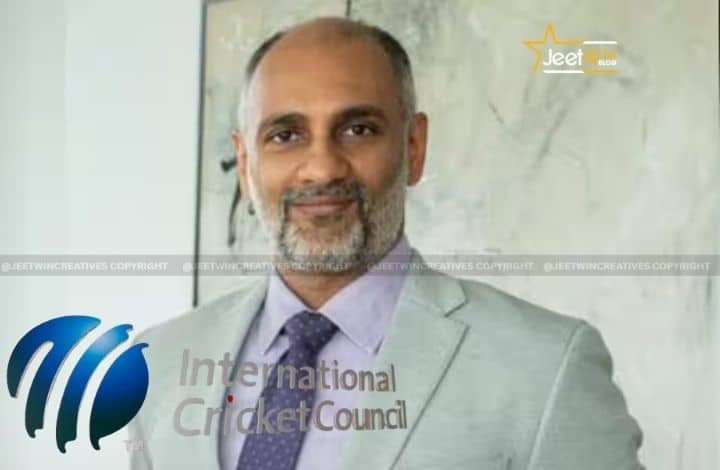
International Cricket Council (ICC) CEO Sanjog Gupta announced on 12 August 2026 that the era of randomly scheduled bilateral cricket series must end. During an interview, he explained that international matches between two countries need more meaning to survive. Gupta believes that without a clear reason for playing, countries will struggle to pay for and support the game.
International Cricket Council (ICC) CEO Sanjog Gupta has asserted that the era of “randomly” scheduling bilateral series is over but the much-debated ODI format can continue to survive and thrive with its place “inextricably” linked to the World Cup 🏏
Read 👉… pic.twitter.com/bW9p2trKeF
— Sportstar (@sportstarweb) August 12, 2026
Consequently, the ICC leader wants to change how teams organise their yearly schedules. This news comes at a time when T20 franchise leagues are becoming more popular around the world. Gupta argues that international cricket faces tough competition for players and fans. Therefore, every match must now have a clear purpose to keep people interested.
The Four Pillars of Modern Cricket Scheduling
Sanjog Gupta pointed out four important pillars that drive fan attention. These are context, culture, competition, and competitiveness. He believes these things are necessary for the sport to survive.
Context means, first of all, that every match should mean something bigger, like a trophy or a ranking. Secondly, culture is about the history and tradition between the sides that are playing. Third, competition means teams are playing for high stakes. Finally, being competitive means that the games have to be close and exciting for the viewers.
Gupta warned that if these four things are missing, countries will not be able to invest the money needed for cricket. Instead, matches might feel like exhibitions that do not matter to the fans. Meanwhile, the ICC is looking at the next Future Tours Programme (FTP) cycle from 2027 to 2031 to fix these issues.
The Future of One-Day International (ODI) Cricket
There have been concerns that T20 leagues might dominate 50-over ODI cricket. But Gupta is optimistic about the format’s prospects. “The survival of ODIs is inextricably linked to the ICC World Cup,” he said.
This means as long as the 50-over format leads up to the major world tournaments, it will continue to thrive. Gupta had said the ICC could create a special “window” in the calendar purely for ODI cricket ahead of the World Cup. That would allow teams to prepare and give fans a story to follow.
ODI cricket has recently achieved a big milestone. Earlier this month, Scotland and Canada played the 5000th ODI in Dundee. This shows that the format still has a wide reach in the world. Also, the ICC has already scheduled two more World Cups in 2027 and 2031, and a Champions Trophy in 2029.
Major Changes for the 2027 World Cup
The 2027 ODI World Cup will be co-hosted by South Africa, Zimbabwe and Namibia in October and November of 2027. In the tournament, there will be 14 teams, more than the last edition.
Cricket Scotland and the Netherlands Cricket Board have expressed disappointment over the ICC’s decision to revamp the structure of the Men’s ODI World Cup 2027.#Cricket #WorldCup pic.twitter.com/KUHTV7D8Lv
— Wisden (@WisdenCricket) August 11, 2026
Some of the smaller “Associate” nations are not happy with the new rules. The ICC has introduced a ‘Super Series’ round for the lower-ranked teams. Only one team out of the bottom three qualifiers will get into the main tournament. Scotland and the Netherlands have described the new system as “disrespectful” and “lacking communication”.
Despite the complaints, the ICC is moving ahead with its plan to grow the game. “If you’re not growing, you’re dying,” said Gupta. That means the ICC will continue to look for ways to make all formats of the game more exciting for younger fans.
For more 2027 ODI World Cup news and updates, follow Mostbet Blog
